(519) 622-6550

In the Community

Behind the Numbers: A Mid-Year Look at Hunger in Cambridge & North Dumfries 

More neighbours are turning to the Cambridge Food Bank for support, and food insecurity is affecting more people in our community than ever before. 

During the first six months of 2026, the Cambridge Food Bank supported 3,572 households, representing 8,574 individuals across Cambridge and North Dumfries. Among those supported were 2,852 children and youth, accounting for 33% of all individuals served, as well as 1,455 older adults aged 55+ who relied on our services to access nutritious and reliable food support. 

During this same period, we distributed 12,054 food hampers to neighbours experiencing food insecurity. Of the households served, 574 (16%) were accessing our services for the first time, highlighting the growing number of individuals and families facing financial and food-related challenges. 

Behind every number is a person, a family, or a neighbour making difficult decisions about how to afford the essentials. 

Food insecurity is affecting working households too 

One of the most important things our data tells us is that food insecurity does not only affect those without employment. In the first half of 2026, 23% households accessing emergency food support reported employment as their primary source of income. Increasingly, having a job does not always mean having enough to cover rising costs. With the price of housing, groceries, and everyday necessities continuing to increase, many working individuals and families are finding themselves needing support. Food insecurity can happen to anyone — including people who are doing everything they can to make ends meet. 

Housing costs continue to put pressure on families 

For many households, the cost of housing is one of the biggest barriers to food security. 76% of households we supported live in private rental housing, showing how closely housing affordability and food insecurity are connected. When more of a household’s income goes toward rent, there is less available for groceries, transportation, healthcare, and other essential needs. Across Ontario and Canada, renters continue to experience some of the highest levels of food insecurity, and our community is seeing the impact locally. 

Responding to a growing need 

The Cambridge Food Bank is committed to meeting people where they are and providing support that helps neighbours access healthy, nutritious food. 

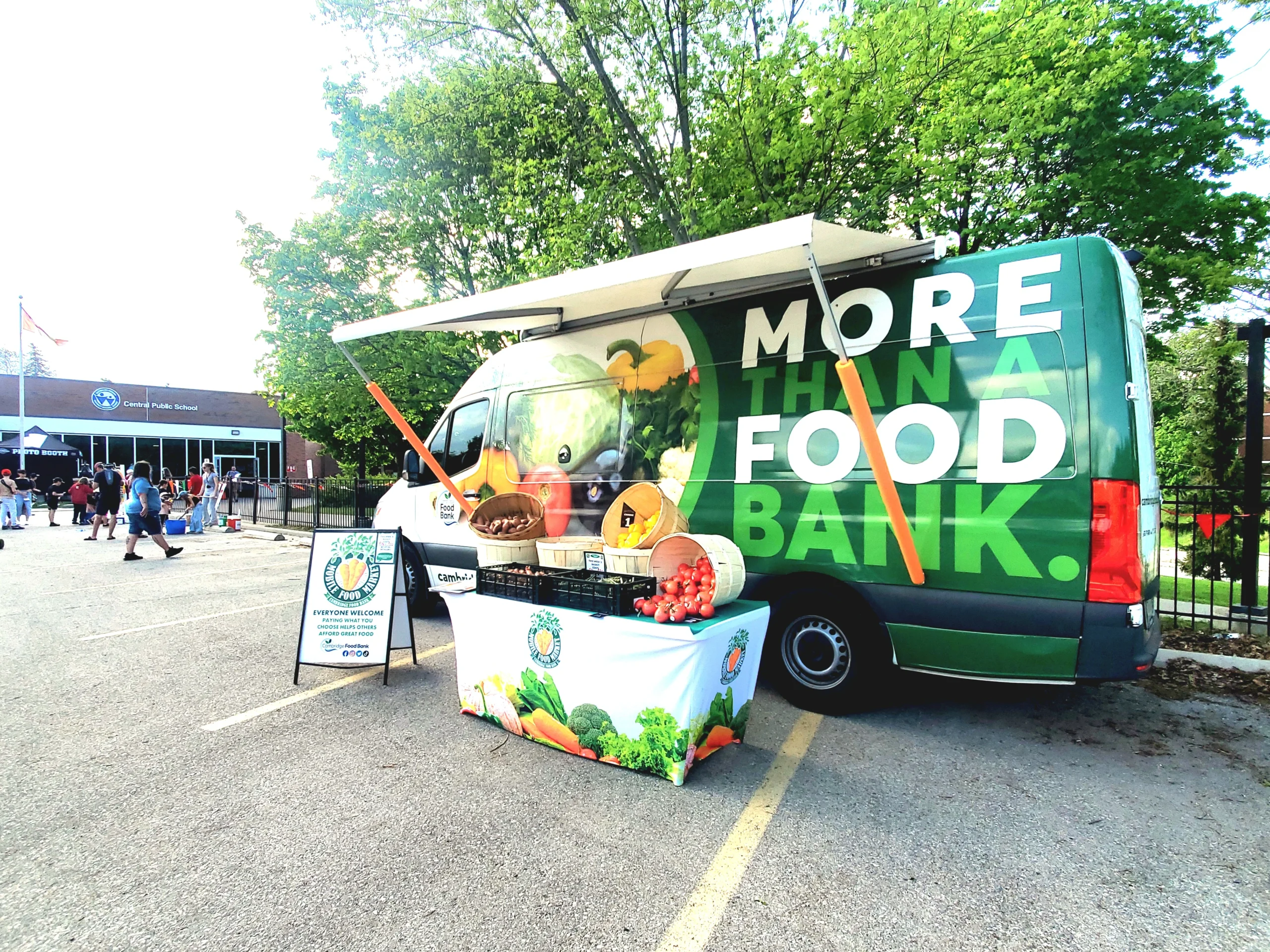
Alongside our emergency food hamper program, we continue to expand access to fresh and affordable food through initiatives like our Mobile Food Market, which brings fresh, locally grown produce to the community through convenient market locations. 

Since launching, the Mobile Food Market has provided more than 100,000 baskets of affordable produce to neighbours across our community. 

From January to June 2026, the Cambridge Food Bank distributed 717,386 pounds of food to support individuals and families facing food insecurity. 

Why community support matters 

The growing need for food support is a reminder that food insecurity is not an individual challenge — it is a community issue. 

Every hamper provided, every basket purchased through the Mobile Food Market, and every donation received helps create stability for a neighbour who may be facing difficult choices. 

Your support helps ensure that: 

  • families have access to nutritious food;  
  • children and youth can grow and thrive;  
  • Older adults feel supported in the community;  
  • neighbours do not have to face food insecurity alone.  

        Thank you to everyone who has donated, volunteered, and supported the Cambridge Food Bank this year. Together, we are continuing to build a stronger, more food-secure community. 

        Want to help support neighbours in need? Donate, volunteer, or learn more about how you can get involved with the Cambridge Food Bank today. 


        100,000 Baskets and Counting: The Growth of the Mobile Food Market

        The Cambridge Food Bank is marking a significant milestone as its Mobile Food Market (MFM) prepares to distribute its 100,000th fresh produce basket. What began in July 2021 as a community-focused initiative has grown into a vital program helping residents across Cambridge and North Dumfries access affordable, nutritious food.

        The Mobile Food Market was designed to reduce barriers to fresh food. Operating weekly in neighbourhoods across the region, the program offers produce baskets at a set price, with a pay-what-you-can option to ensure everyone can participate. This model creates a more inclusive and dignified experience, where community members support one another through shared access.

        Reaching 100,000 baskets is a notable achievement, but it comes at a time when food insecurity is increasing. Today, approximately 1 in 8 people in Cambridge and North Dumfries are experiencing food insecurity. Rising living costs continue to impact families, seniors, and working individuals, many of whom are turning to programs like the Mobile Food Market to help manage their grocery budgets.

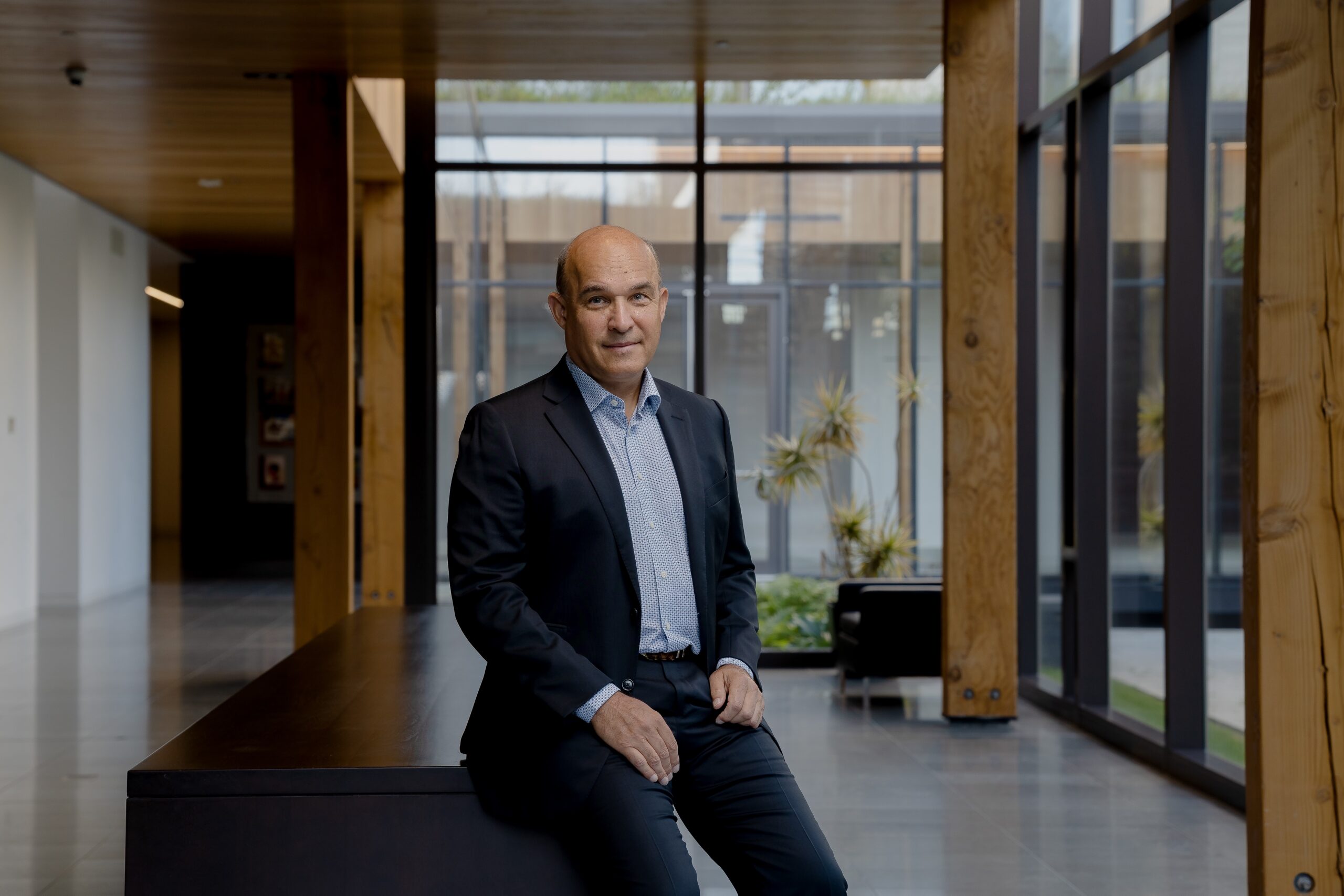
        “The Mobile Food Market was created to remove barriers and make fresh food accessible in a way that feels welcoming and dignified,” says Dianne McLeod, CEO of The Cambridge Food Bank. “Reaching 100,000 baskets is a significant milestone, but it also reflects the growing need in our community.”

        The program’s impact is rooted in its community-driven approach. Those who are able to pay full price for their baskets help subsidize access for others, creating a system that is both practical and stigma-free. Each purchase contributes to a broader effort to ensure fresh food remains accessible to all.

        To mark this milestone, the Cambridge Food Bank is inviting community members to visit any Mobile Food Market location and take part in the celebration. A limited commemorative basket will be available, featuring a wedge of locally produced cheese from Mountainoak Cheese. This addition highlights not only the milestone itself, but also the program’s ongoing commitment to supporting local producers.

        Whenever possible, the Mobile Food Market sources produce from local farmers. This approach strengthens the regional food system, reduces environmental impact, and supports long-term sustainability.

        The success of the program is made possible through the collective efforts of volunteers, donors, and community partners. Support from organizations such as Equitable Foundation, which contributed $125,000 toward food purchases over the past year, has played a key role in ensuring the program can continue to meet growing demand.

        Beyond food access, the Cambridge Food Bank offers a range of programs that support long-term wellbeing. Nutrition education, community gardens, and food skills initiatives are designed to build confidence, reduce isolation, and improve overall health outcomes for individuals and families.

        As the Mobile Food Market continues to grow, so does the need for community support. Expanding access to fresh, healthy food remains a priority, and milestones like this serve as both a reflection of progress and a reminder of the work still ahead.

        To learn more about the Mobile Food Market, visit here.

        A New Chapter for the Cambridge Food Bank

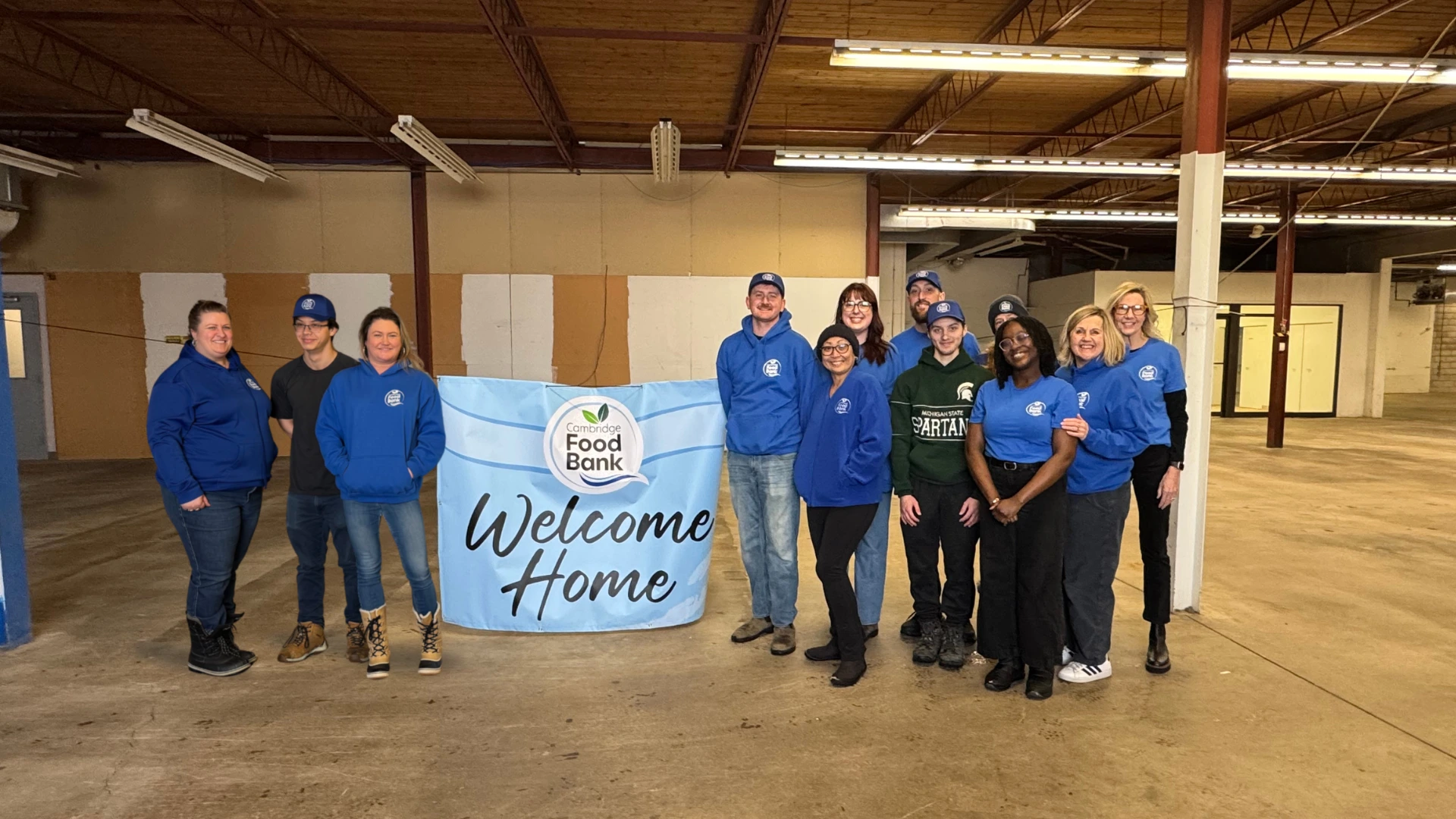
        After years of planning and looking toward the future, the Cambridge Food Bank (CFB) is proud to share a major milestone: we have purchased a new home.

        Located at 384 Franklin Blvd., our new 31,000 square foot building marks the end of a multi‑year search and the beginning of an exciting new chapter for our organization and the community we serve.

        Why This Move Matters

        The Cambridge Food Bank has operated from its Ainslie Street South location since 2001. Over the years, the nature of food banking has changed significantly. What was once focused primarily on shelf‑stable items now includes large volumes of fresh, refrigerated, and frozen food, along with a growing number of wellness and community programs.

        Our new space will nearly double our current footprint and allow us to work more efficiently in a layout designed specifically for today’s needs. The wide‑open design will reduce congestion, improve food flow, and create a more welcoming environment for everyone who walks through our doors.

        What the New Space Will Include

        The new building will allow us to expand and enhance key areas of our work, including:

        • A larger community pantry and emergency food assistance space
        • A bigger commercial kitchen to support cooking and nutrition programs
        • Expanded programming areas for children, youth, and adults
        • The addition of a greenhouse to support food education and gardening initiatives

        The location is also accessible, with parking and transit connections that make it easier for community members to reach us.

        Meeting a Growing Need

        Demand for food bank services in Cambridge and North Dumfries continues to rise. In 2024 alone, 1 in 8 households in our community relied on the Cambridge Food Bank for support. During that year, CFB served over 23,000 individuals, rescued more than 349,000 pounds of food, and welcomed over 1,000 children and adults into wellness programs.

        This new space will help us better meet this growing demand while continuing to offer programs that go beyond food, including wellness initiatives, youth mentorship, and community education.

        What’s Next

        While the building purchase is complete, the work is not finished. Renovations are now underway to transform the space into a functional, welcoming hub for food access, learning, and connection.

        This next phase would not be possible without the continued support of our community. Every donation helps us move closer to opening doors to a space designed with dignity, care, and connection at its core.

        We look forward to sharing more updates as renovations progress and as we prepare to welcome the community into our new home.

        Thank you for being part of this journey with us.

        Cambridge Food Bank: 2025 Year in Review

        2025 was a year that showed, more than ever, how much our community depends on each other. Across Ontario, more than one million people needed a food bank last year, as the cost of living continued to rise and families struggled to make ends meet. Here in Cambridge and North Dumfries, the reality was clear: food insecurity is affecting more people, and people are turning to the Cambridge Food Bank for help more often than ever before.

        Between January and December 2025, the Food Bank supported 10,717 individuals across 4,664 households. Of those households, 1,334 were accessing our services for the first time, highlighting the growing number of people who had never needed a food bank before but now find themselves in need. Over the year, we distributed 24,268 hampers, each one a vital source of food, dignity, and stability for the families we serve.

        Children and seniors continue to be some of the most vulnerable in our community. In 2025, 3,470 children under 18 received support through the Food Bank. Families, working adults, and individuals living with disabilities also form a large part of those we help. In fact, one in five visitors was a person with a disability, and one in four households accessing our services were employed, showing that hunger doesn’t just affect those without income—it affects people trying to make ends meet every day.

        Housing pressures make food insecurity even more challenging. Seventy-four percent of households we served live in private rentals, while others rely on social housing, stay with family or friends, or are experiencing homelessness. For many, high rent and limited income mean difficult choices between paying for housing, bills, or food.

        The broader numbers from the Feed Ontario Hunger Report confirm what we see every day: across the province, families are visiting food banks more frequently just to get by. In Cambridge and North Dumfries, the Food Bank was visited over 22,000 times in the year, an increase of 10% over the previous year. One in four visitors were new to the Food Bank, and one in three visitors were children. These numbers remind us that hunger is not an occasional problem—it is a daily challenge for thousands in our community.

        Behind every number is a neighbour doing their best. Every hamper we pack, every volunteer shift, and every donation matters. Without the generosity of our community, the Cambridge Food Bank could not meet this growing need.

        If you want to make a difference today, your support can help feed someone in need immediately. Every donation helps ensure that no one in Cambridge goes hungry. Donate today and be part of the solution.

        FoodForward Pays it Forward at the Cambridge Food Bank: How Your Team, Friends, or Family Can Give Back

        FoodForward Cooking Experiences - Social Entreprise of Cambridge Food Bank

        By: Zoe Miller

        In the early 2000s, a pivotal moment in my journey toward civic engagement was watching the film Pay It Forward. It reminded me how even small actions can ripple outward. Learning about FoodForward, the Cambridge Food Bank’s new social enterprise, brought that same spark of inspiration. 

        I joined the Waterloo Region Community Foundation (WRCF) team as the first participants in FoodForward’s kitchen experience—which coincided with the program’s public launch. After months of piloting, groups could now see another side of the Cambridge Food Bank’s impact. 


        The Tour 

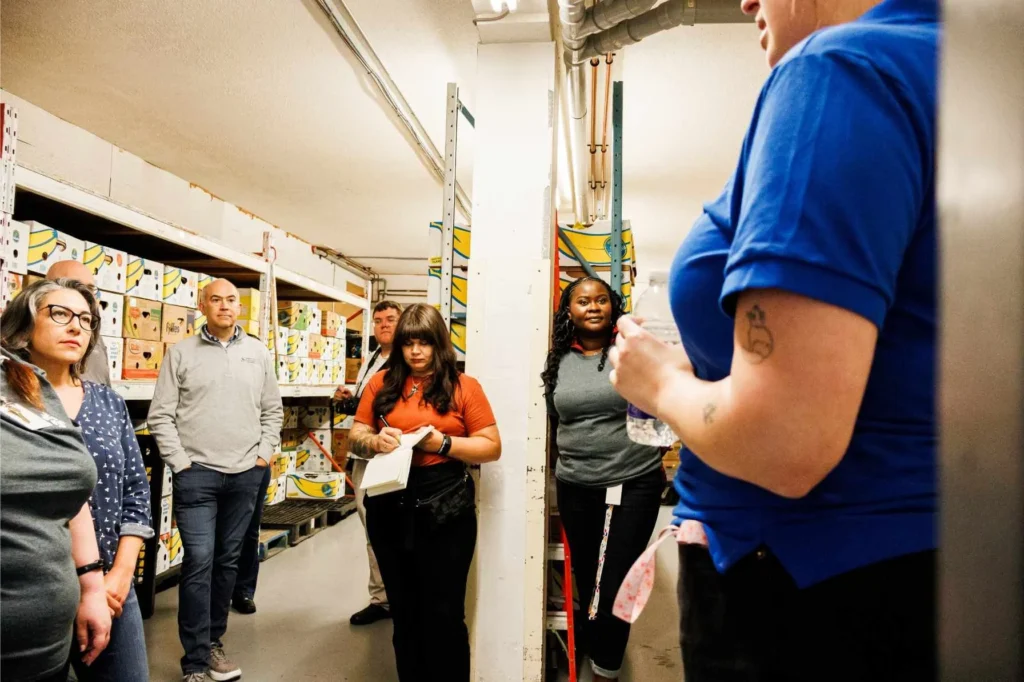
        When we arrived, the entrance buzzed with community members, volunteers, and staff carrying crates of fresh produce. The community pantry operates on a shopping model that prioritizes fresh, healthy food. Families facing food insecurity can access an emergency hamper once a month with ID and proof of residency. Over 2,000 hampers are distributed monthly, reaching roughly 5,000 people—one-third of them children. 

        Unlike traditional food banks, community members can access the flash fridge and overflow section of the food bank as often as needed, picking up perishable items like bread and produce in addition to their emergency hamper. 

        The Cambridge Food Bank also grows food through community gardens at the rare Charitable Research Reserve and Forward Church, which is shared through the community pantry. Produce is also purchased and sold through the Mobile Food Market (MFM), bringing fresh, quality produce to over 15 neighbourhoods in Cambridge and North Dumfries. Everyone is welcome, and full-price purchases help offset costs for others. 

        Food Rescue and Reducing Waste 

        One aspect that stood out to me—and to others on the tour—was food rescue. As one WRCF participant said, “I had no idea about the extent of food rescue and recycling the Cambridge Food Bank does. 

        Items not suitable for the pantry or flash fridge are directed to the kitchen for processing into ready-to-eat meals, baked goods, or preserves for sale at farmers markets. Items still not usable are directed into the animal food system or a farmer’s composting system, keeping waste out of landfills. 

        From a permaculture perspective, this is a closed loop—resources are used intentionally, distributed fairly, and waste is managed sustainably. Witnessing this approach showed me how even small actions ripple out to create meaningful change in our community. 

        Conestoga College research found that in just three months, these activities reduced greenhouse gas emissions enough to drive across Canada three times—proof of the environmental impact of thoughtful redistribution. 

        Surprising Insights: Wellness, Nutrition, and Cooking Programs 

        I was also surprised to learn about the Cambridge Food Bank’s wellness, nutrition, and cooking programs. Beyond providing food, they offer free programs for children, youth, adults, and families to explore cooking, nutrition, movement, and mindfulness. 

        These programs help people gain skills and knowledge to live healthier, more connected lives, extending the Cambridge Food Bank’s impact far beyond meal distribution. 

        Behind the Scenes: Warehouse and Food Processing 

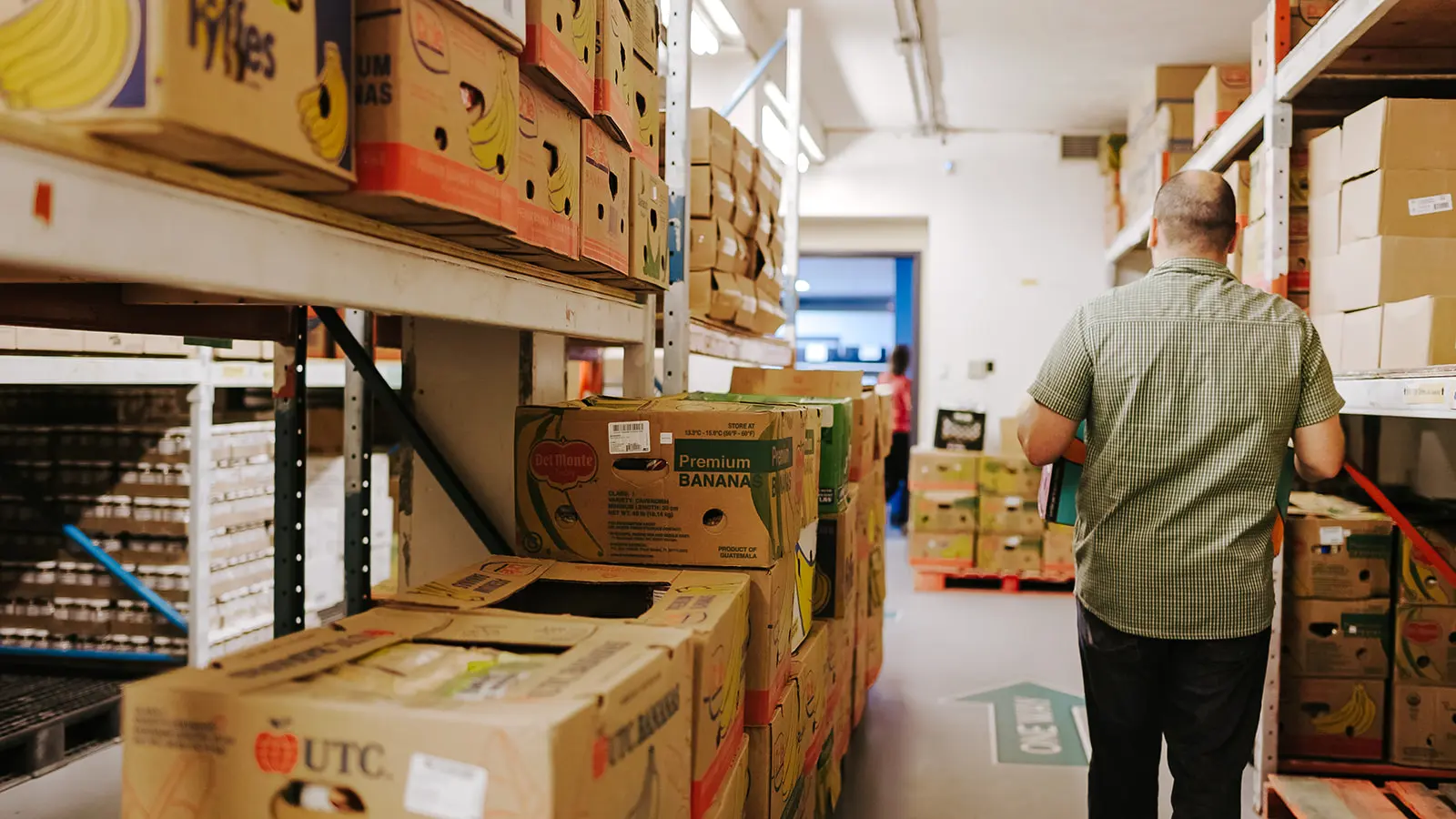
        The warehouse is compact, with deliveries coming down a narrow lane that isn’t wide enough for trucks. Staff often hand-bomb food from the road inside. Everything is weighed, temperature-checked for cold chain management, and sorted into fridge, freezer, or bins before moving to the pantry or partner organizations. 

        Because of the tight space, each food item may be moved multiple times before reaching the community—one reason the Cambridge Food Bank is seeking a new building to expand capacity and efficiency. 

        Into the Kitchen 

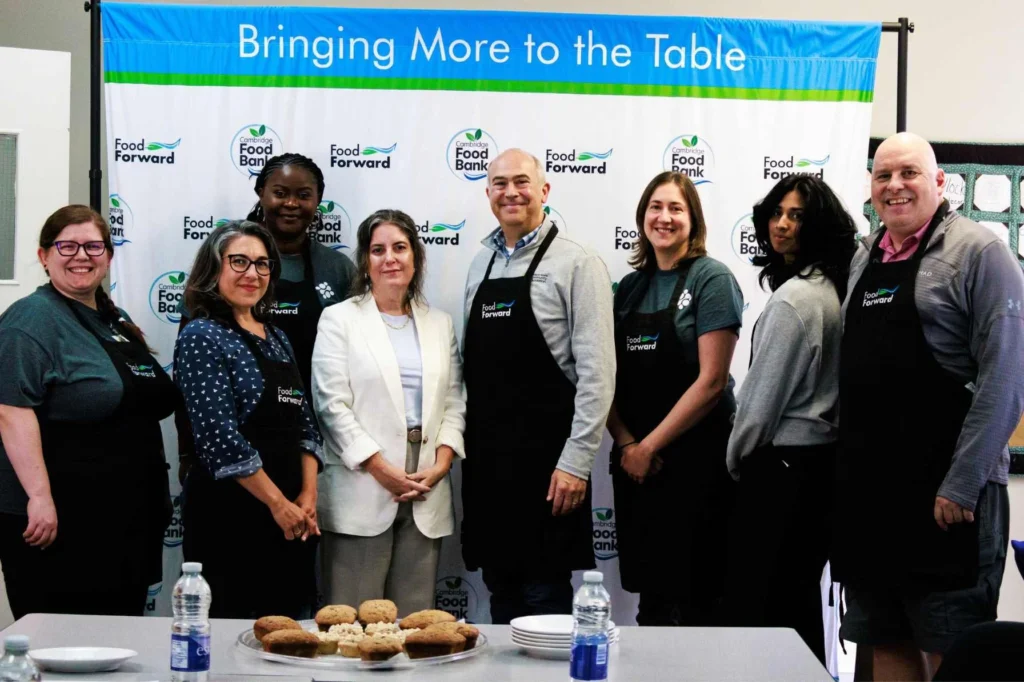
        Upstairs, we joined a hands-on experience. Program manager Lisa Leachman and CEO Diane McLeod shared insights and personal experiences, emphasizing FoodForward’s community impact. 

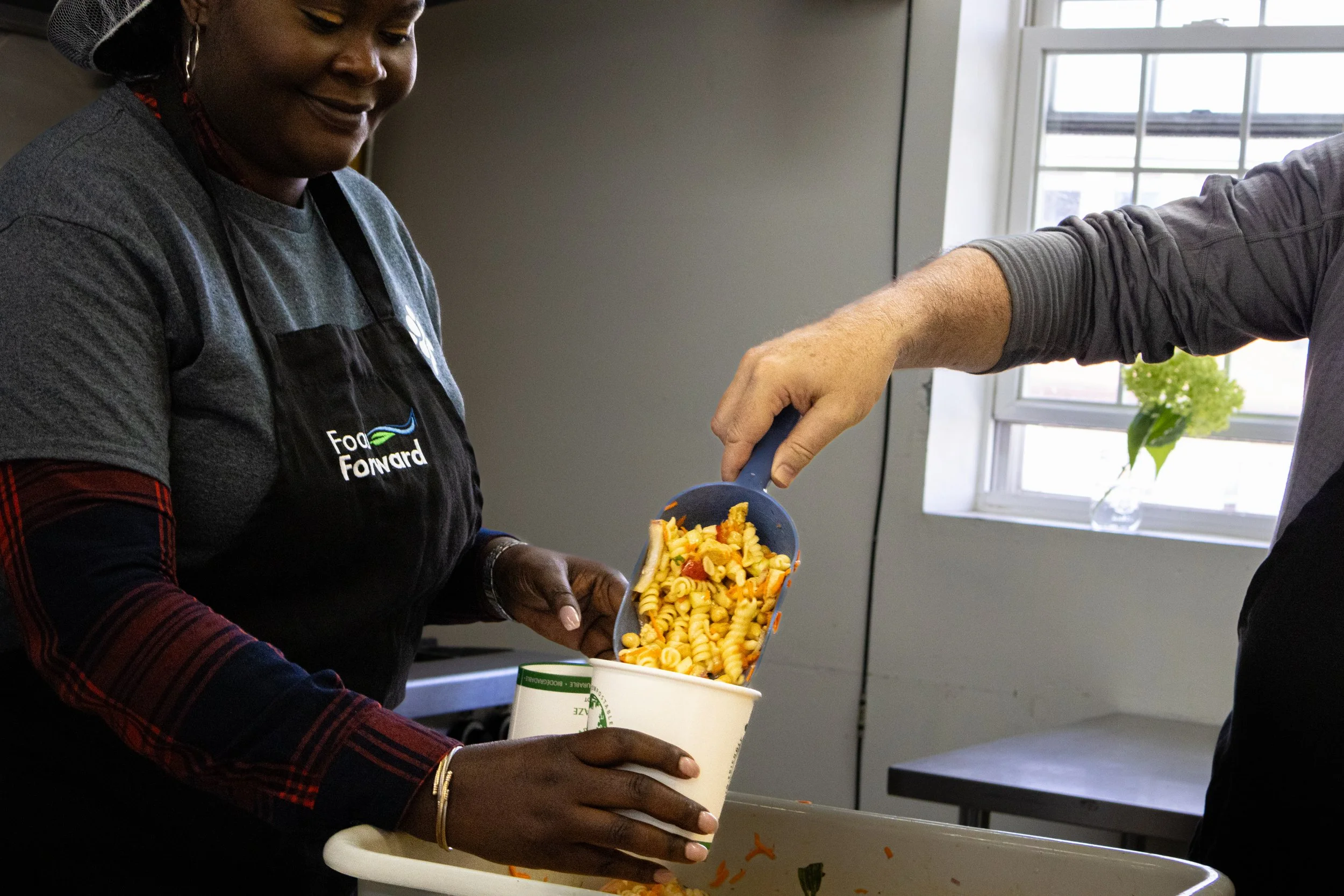
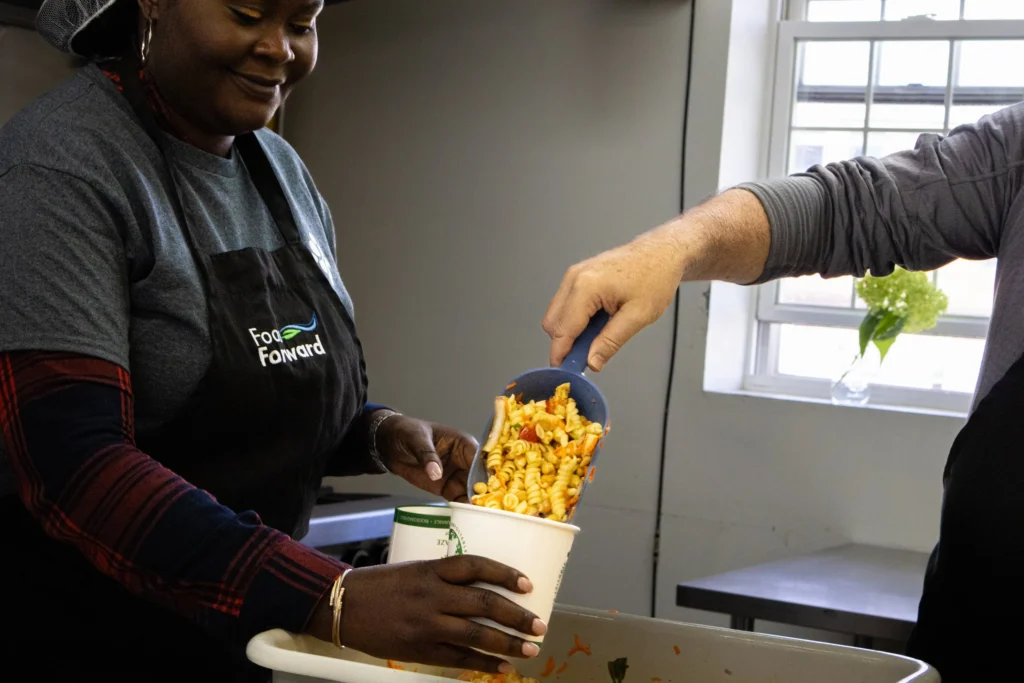
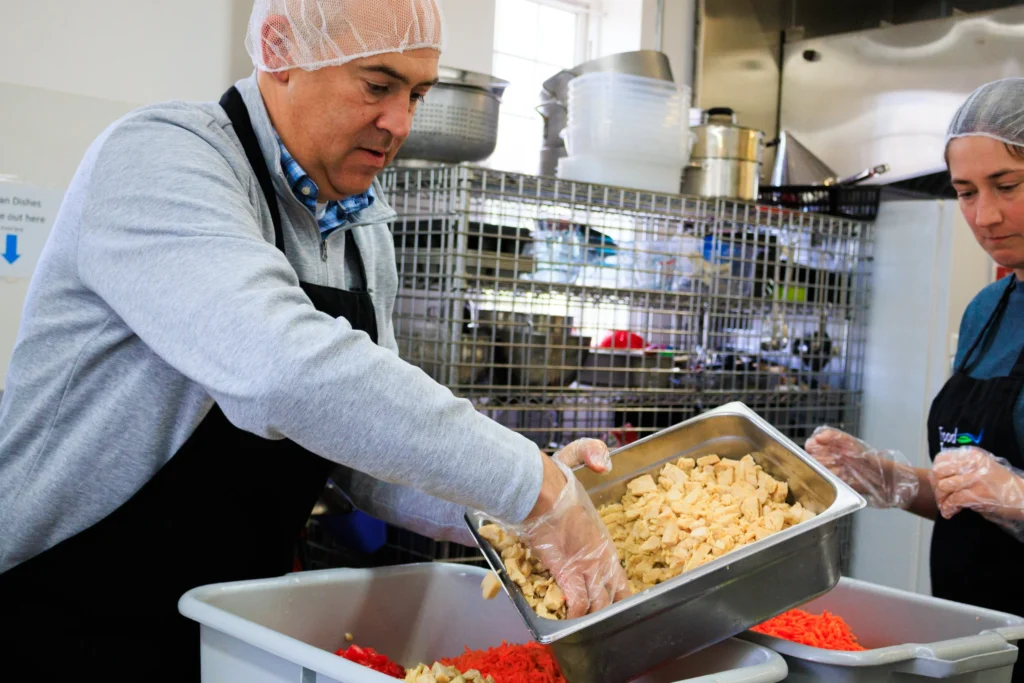
        Split into two teams, we donned aprons and prepared Mediterranean pasta salad using rescued and locally grown produce. With a friendly countdown, Team 1 finished 50 containers, Team 2 46—but every participant walked away with a sense of accomplishment. The finished meals, branded with WRCF logos, were ready for the community pantry. 

        Build Team Spirit, Build Community 

        As a visitor, it was clear how perfect FoodForward is for corporate groups or teams looking to make an impact. Sorting food, gardening, and kitchen experiences combine team-building with social responsibility. Here are three experiences at FoodForward:

        • Sorting Experience: Hands-on, high-energy food sorting for groups. 

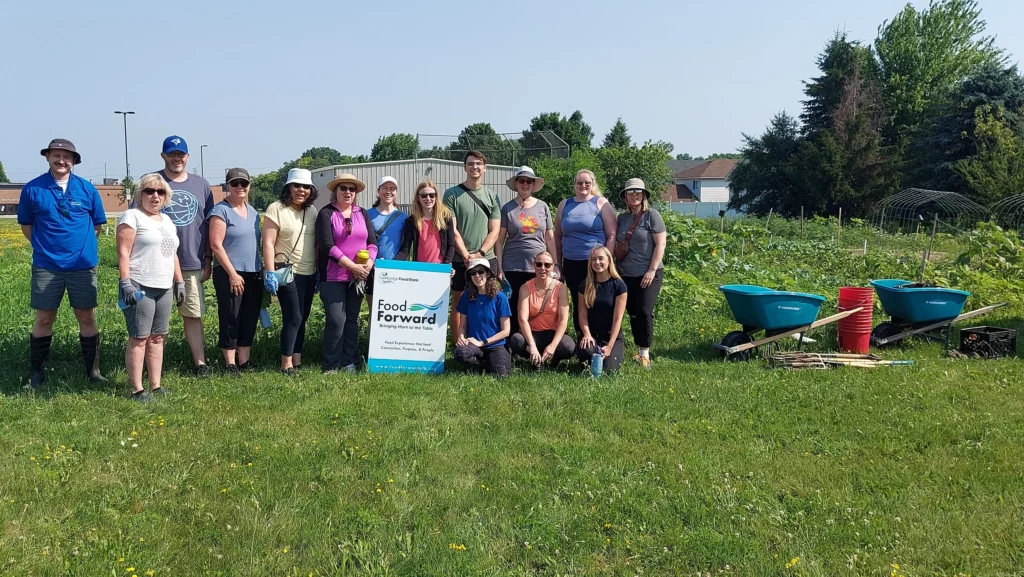
        • Garden Experience: Plant, grow, and harvest in the community garden. 

        • Kitchen Experience: Prep, cook, and package meals or baked goods for the pantry. 

        Experiences start at $750, with all proceeds going directly to the Cambridge Food Bank. Teams leave with strengthened collaboration, shared purpose, and a tangible impact on the community.  It’s worth a visit to our business, non-profit or individual workshop pages to check out the options that resonates most for you and your group! 

        Click here to learn more about FoodForward

        Zehrs South Cambridge 

        Zehrs South Cambridge 

        Today, we’re proud to turn the spotlight on Zehrs, South Cambridge one of our tremendous retail partners and 2024 Community Champions.  

        The Zehrs South Cambridge team has been an essential partner in combating food insecurity and reducing food waste.  Each week, the store generously donates a variety of surplus food to the Cambridge Food Bank, providing nourishment for our community members in need of support.  In 2024, Zehrs South Cambridge donated an impressive 22,665 lbs of food to the Cambridge Food Bank. 

        In addition to fighting food insecurity, Zehrs plays an important role in protecting the environment. By diverting surplus food from landfills, they are helping reduce waste and ensure that perfectly good food reaches those who can benefit from it, rather than being discarded. 

        Zehrs South Cambridge is a shining example of how businesses can positively impact both the community and the environment, and we are grateful for their ongoing partnership. 

        Thank you, Zehrs South Cambridge, for your unwavering support in building a food-secure, environmentally conscious community!